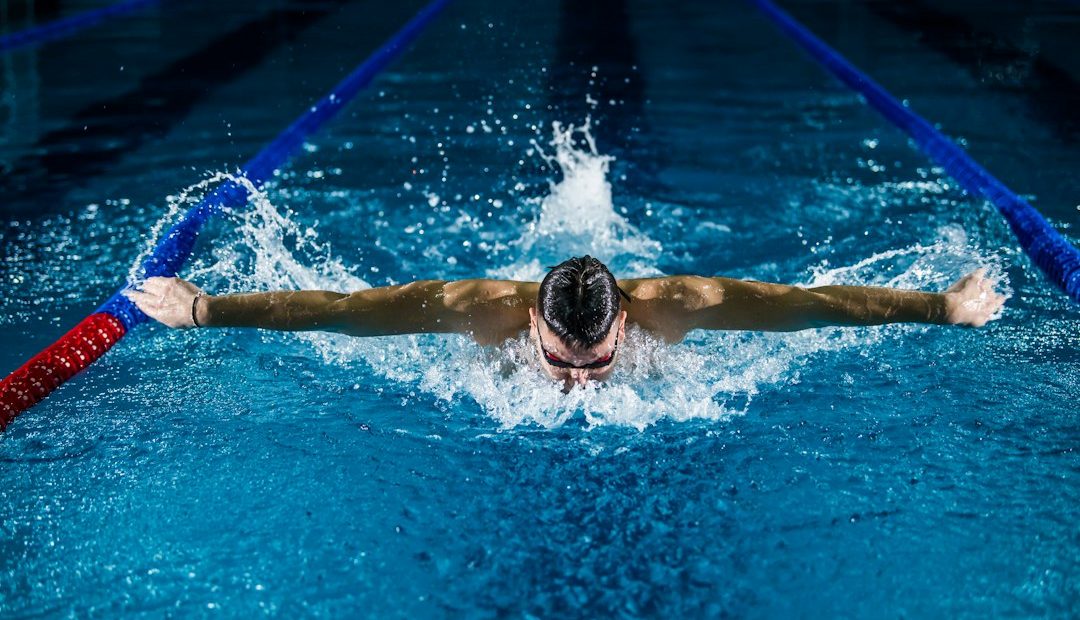
Mastering the hand entry is paramount for efficient swimming. It sets the stage for a powerful catch and pull, directly influencing speed and reducing strain. However, improper entry—often characterized by a slapping motion or an overly wide, late entry—can lead to inefficient propulsion and, more critically, shoulder pain. This guide delves into the best swim paddles designed not just to augment your workout but to specifically refine your hand entry technique, ensuring a smoother, more powerful stroke while actively protecting your shoulders.
We’ve rigorously evaluated a range of paddles, focusing on those that promote a clean, early, and aligned hand entry. The goal is to find tools that provide tactile feedback, encouraging a better feel for the water and a more intuitive understanding of optimal hand placement. These aren’t just about adding resistance; they’re about re-educating your stroke mechanics. We prioritized paddles that minimize the risk of shoulder impingement, favoring designs that align with natural arm and shoulder movement. Whether you’re a competitive swimmer looking to shave seconds or a recreational athlete aiming for injury-free training, the right paddle can be a game-changer.
Top Swim Paddles: Enhancing Hand Entry Without Shoulder Strain
The market offers a dizzying array of swim paddles, but only a select few truly excel at improving hand entry while safeguarding shoulder health. Our top picks are distinguished by their design, material, and how effectively they translate into better technique. We’ve analyzed how each paddle encourages a specific entry path, provides water feel, and distributes pressure to avoid undue stress on the rotator cuff and surrounding muscles.
Best Overall for Technique: Vorgee Puresuit Paddles
⚖️ Design: Ergonomic, contoured shape
🏊 Ideal Use: Technique refinement, stroke mechanics
👍 Pros
- Promotes a high elbow catch by guiding the hand and forearm.
- Contoured shape mimics the natural hand and wrist position.
- Provides excellent water feel for developing a sensitive catch.
- Durable construction for long-term use.
👎 Cons
- Can be challenging for absolute beginners to use correctly.
- Requires proper fitting of the straps for optimal performance.
The Vorgee Puresuit Paddles are engineered with a specific focus on replicating the natural dynamics of the hand and arm during the stroke. Their polypropylene construction offers a balance of rigidity and flexibility, allowing for a strong connection with the water. The key lies in their carefully sculpted shape, which naturally encourages the swimmer to maintain a high elbow and a streamlined hand entry, minimizing the tendency to “chicken wing” or enter the water with a flat palm. This design inherently supports shoulder health by promoting alignment and reducing rotational stress during the initial phase of the stroke. While they demand a certain level of technique awareness, they serve as an excellent tool for swimmers looking to polish their mechanics and achieve greater propulsion efficiency.
The Vorgee Puresuit Paddles stand out as an exceptional tool for swimmers dedicated to refining their hand entry and overall stroke technique. Unlike generic paddles that primarily add resistance, the Puresuit’s design is intelligently shaped to guide the swimmer’s hand and forearm into an optimal position. This guidance is crucial for developing a clean, early vertical forearm (EVF) and a streamlined entry into the water. The ergonomic contouring feels natural, encouraging the wrist to stay in a neutral, slightly flexed position, which is vital for setting up a powerful catch. By forcing a more intuitive and aligned entry, these paddles help build muscle memory for better stroke mechanics, leading to more efficient propulsion and a noticeable reduction in wasted energy. Swimmers often report an improved “feel” for the water, allowing them to sense and adjust their pull more effectively. While they require a conscious effort to utilize their benefits, the payoff in terms of technique improvement and potential shoulder pain reduction is substantial. They are best suited for intermediate to advanced swimmers who are actively working on stroke efficiency.

Best for Shoulder Health: Speedo BioFUSE Finger Paddles
⚖️ Design: Finger-specific, ergonomic grip
🏊 Ideal Use: Injury prevention, gentle technique correction
👍 Pros
- Minimal strain on the wrist and shoulder due to finger-only design.
- Promotes a natural hand entry and feel for the water.
- Comfortable and secure fit.
- Helps build strength without excessive joint stress.
👎 Cons
- Less resistance than full-hand paddles, offering less overall power training.
- May not provide enough feedback for significant technique flaws.
The Speedo BioFUSE Finger Paddles represent a thoughtful approach to paddle design, prioritizing joint health. By focusing resistance on the fingers and the leading edge of the palm, they avoid the unnatural leverage that can stress the wrist and shoulder with larger paddles. The materials used, typically a soft silicone edge combined with a firmer polypropylene body, enhance comfort and grip. This design encourages a more subtle, yet precise, hand entry, as the swimmer feels the water directly with their fingertips. This direct feel is instrumental in developing a sensitive and accurate entry point, which is a cornerstone of efficient swimming and shoulder pain prevention. They are an excellent choice for swimmers recovering from or actively seeking to avoid shoulder issues, offering a pathway to technique improvement with minimal risk.
For swimmers who are acutely aware of their shoulder health or are in the process of recovering from shoulder-related issues, the Speedo BioFUSE Finger Paddles are an outstanding choice. Their design is intentionally minimalistic, focusing resistance on the fingers and the leading edge of the palm rather than encompassing the entire hand. This distinction is critical because it significantly reduces the leverage and torque that can be placed on the shoulder and wrist joint, common culprits of injury with traditional paddles. The BioFUSE technology, often incorporating a softer, more forgiving material around the edges, ensures a comfortable fit and minimizes any potential for sharp edges to irritate the skin or joints. While they offer less overall resistance compared to full-hand paddles, their primary benefit lies in their ability to enhance the ‘feel’ for the water during the initial phase of the stroke. This heightened sensitivity helps swimmers develop a cleaner, more controlled hand entry, which is fundamental to preventing shoulder strain and improving stroke efficiency. They serve as an excellent training tool for instilling proper alignment and reducing the likelihood of a forceful, misaligned entry that could aggravate existing conditions.
Most Ergonomic Design: FINIS Freestyle Paddles
⚖️ Design: Ergonomic thumbhole, streamlined
🏊 Ideal Use: Stroke efficiency, developing feel for the water
👍 Pros
- Thumbhole promotes a natural hand and wrist alignment.
- Encourages a high elbow catch and proper stroke path.
- Provides excellent feedback on hand entry and catch.
- Durable and comfortable for extended use.
👎 Cons
- Straps can sometimes be difficult to adjust perfectly.
- May require a short adjustment period for swimmers used to standard paddles.
FINIS has long been a leader in innovative swim training aids, and the Freestyle Paddles exemplify this. The signature thumbhole design is the linchpin of their ergonomic appeal. It naturally positions the hand and wrist, preventing the tendency to over-rotate or apply torque to the shoulder joint during the entry and catch phases. This enforced alignment aids in developing a clean, direct path through the water. The paddles are constructed from durable polypropylene, offering good resistance without being overly cumbersome. Their streamlined shape minimizes drag, allowing swimmers to focus on the mechanics of their stroke rather than fighting excessive water resistance. The feedback provided by these paddles regarding water feel and hand entry is direct and actionable, making them a powerful tool for technique correction and injury prevention.
The FINIS Freestyle Paddles are lauded for their supremely ergonomic design, largely attributable to their distinctive thumbhole. This feature is not merely aesthetic; it’s a biomechanical advantage. By forcing the thumb into a specific, natural position, the paddle encourages a neutral wrist alignment and a high-elbow catch, which are foundational for both efficient propulsion and shoulder health. This thumb-centric design helps swimmers avoid the common errors of dropping their elbow or entering the water with a pronated (palm-down) hand, both of which can lead to shoulder strain. As the hand enters the water, the paddle guides it into a clean, streamlined position, allowing for immediate engagement with the water and setting up a powerful pull. The feedback is immediate and clear: any deviation from optimal technique is readily felt. Made from durable polypropylene, these paddles offer a consistent level of resistance that aids in strength building while simultaneously providing critical cues for stroke refinement. They are an excellent investment for swimmers serious about improving their freestyle technique and mitigating the risk of shoulder injury.

Best Value for Technique Improvement: Arena Pull Hand Paddles
⚖️ Design: Simple, effective shape with adjustable straps
🏊 Ideal Use: General technique enhancement, strength building
👍 Pros
- Affordable option for technique work.
- Durable construction for regular use.
- Adjustable straps provide a secure fit.
- Effective for developing a stronger pull and improving catch.
👎 Cons
- Less specialized for hand entry focus than other models.
- Can cause discomfort if straps are too tight or ill-fitting.
Arena’s Pull Hand Paddles offer a straightforward yet effective approach to augmenting swim training. Their primary function is to increase water resistance, thereby building upper body strength and improving the swimmer’s ability to maintain a strong pull. While not exclusively designed for hand entry refinement, their larger surface area necessitates a cleaner, more deliberate entry to avoid feeling the water incorrectly or experiencing undue strain. The robust polypropylene material ensures longevity, and the adjustable straps allow for a customizable fit, which is essential for comfort and effective use. For swimmers seeking a cost-effective tool to build strength and encourage a more connected stroke, these paddles provide significant value. When used with a conscious focus on hand entry, they can indirectly promote better technique by highlighting inefficiencies in the initial phase of the stroke.
The Arena Pull Hand Paddles present a compelling value proposition for swimmers looking to enhance their technique and build strength without breaking the bank. While their design is perhaps less intricate than some high-end specialized paddles, their effectiveness in building a powerful pull and improving overall stroke efficiency is undeniable. The larger surface area necessitates a more committed and controlled hand entry; a sloppy or late entry will feel awkward and inefficient, providing immediate feedback to the swimmer. This characteristic, while not their primary design intent, makes them a viable tool for improving hand entry, especially when paired with conscious technique drills. The durable polypropylene construction ensures they can withstand rigorous training sessions, and the easily adjustable straps allow for a secure and comfortable fit across different hand sizes. For swimmers aiming to develop a stronger connection with the water from the initial touch—making their entry more deliberate and their subsequent catch more forceful—these paddles offer a practical and economical solution. They are a solid workhorse for improving fundamental aspects of the freestyle stroke.
Innovative Grip for Entry: TYR V-Vent Swim Paddles
⚖️ Design: Ventilated, unique grip system
🏊 Ideal Use: Enhanced feel for water, stroke correction
👍 Pros
- Ventilation system reduces water buildup, improving feel.
- Unique grip design promotes natural hand positioning.
- Durable construction.
- Effective for improving hand entry and catch mechanics.
👎 Cons
- The unique grip may take some getting used to.
- Not ideal for swimmers seeking maximum resistance for pure strength training.
TYR’s V-Vent Swim Paddles distinguish themselves with an innovative design focused on optimizing water feel and promoting a natural stroke. The ‘V-Vent’ system allows water to flow through the paddle, reducing the suction effect that can occur with solid paddles. This controlled flow enhances the swimmer’s connection to the water, providing clearer feedback on their hand entry and pull. The integrated rubber grip system is designed to conform to the hand, encouraging proper alignment and preventing the wrist from dropping or over-rotating. This focus on a natural, supported hand position is crucial for minimizing shoulder stress. Constructed from durable polypropylene with rubber accents, these paddles are built to last and offer a unique training experience that aids significantly in developing a technically sound and pain-free stroke.
The TYR V-Vent Swim Paddles introduce a fresh perspective on paddle design, prioritizing an enhanced feel for the water and a more natural, supportive grip. The standout feature is the V-Vent system, which allows water to pass through the paddle’s surface. This innovative feature serves a dual purpose: it reduces the “suction” effect that can sometimes mask subtle flaws in the catch, and it provides a more direct, tactile sensation of the water. This improved water feel is invaluable for swimmers working on their hand entry, allowing them to better sense the precise moment and angle of entry. Furthermore, the integrated rubber grip is engineered to promote an ergonomic hand position, supporting the wrist and guiding the fingers for an optimal entry. By encouraging a natural alignment, these paddles actively work to prevent the kind of stress that often leads to shoulder pain. While they might not offer the brute resistance of some larger paddles, their strength lies in their ability to refine technique, improve the feel for the water, and support a healthier, more efficient stroke.

Understanding Hand Entry Technique & Paddle Benefits
The Crucial Role of Hand Entry in Swimming
The hand entry is the very first point of contact the swimmer makes with the water on each stroke cycle. It dictates the efficiency and potential power of the entire pull. A perfect entry is characterized by a high elbow, a relaxed shoulder, and the fingertips entering the water slightly ahead of the hand, pointing downwards. This allows the arm to extend fully, positioning the body for an optimal catch. Conversely, a poor entry—often involving a slap, a wide sweep, or an early rotation of the palm—can lead to:
- Increased Drag: A flat or open palm creates resistance.
- Reduced Propulsion: The water isn’t gripped effectively.
- Shoulder Strain: Forceful, misaligned entry puts undue stress on the rotator cuff.
- Loss of Momentum: The stroke is disjointed and inefficient.
Developing a clean hand entry is foundational for any swimmer aiming for speed, endurance, or injury-free training.
How Paddles Can Ingrain Proper Hand Entry
Swim paddles, when chosen and used correctly, act as sophisticated training tools that provide tactile feedback. They:
- Increase Water Resistance: This forces the swimmer to be more deliberate and controlled with their movements, including the entry. A sloppy entry with a paddle feels significantly worse and requires more effort.
- Enhance Water Feel: Many paddles, particularly those with specific designs like vents or ergonomic grips, help swimmers feel the water more acutely. This heightened sensitivity allows them to better understand the angle and pressure of their hand as it enters.
- Promote Alignment: Paddles with shaped contours or thumbholes naturally guide the hand and wrist into a more aligned position, discouraging common faults like dropping the elbow or entering with a pronated palm.
- Build Strength: While not their primary technical benefit, the increased resistance helps strengthen the muscles involved in the catch and pull, which are initiated by a proper entry.
By providing this amplified feedback, paddles help ingrain correct motor patterns, making proper hand entry a more automatic part of the stroke.
Identifying Paddles That Minimize Shoulder Stress
The key to selecting paddles that benefit shoulder health lies in their design and how they interact with the body’s natural biomechanics. Look for:
- Ergonomic Shapes: Paddles that contour to the hand or feature a thumbhole encourage a neutral wrist and prevent excessive rotation, reducing strain.
- Appropriate Size: Overly large paddles can generate excessive force, increasing the risk of injury. It’s often better to err on the side of slightly smaller paddles focused on technique.
- Material and Flexibility: While generally rigid, some paddles offer slight flex or softer edges, which can reduce sharp impacts and improve comfort.
- Finger Paddles: These offer a very direct feel and minimal leverage, making them excellent for improving entry without stressing the joints.
- Adjustable Straps: Proper fitting is crucial. Straps that dig in or allow the paddle to shift can cause discomfort and negate technical benefits.
Paddles designed with these principles in mind help swimmers build strength and refine technique without compromising the integrity of their shoulder joints.
How We Selected the Best Swim Paddles for You
Testing Criteria: Technique Focus & Injury Prevention
Our evaluation process centered on two primary pillars: technique enhancement and injury prevention. We scrutinized paddles for their ability to:
- Facilitate a clean, aligned hand entry.
- Promote a high-elbow catch and proper stroke path.
- Provide distinct tactile feedback on water feel.
- Minimize unnatural leverage or torque on the shoulder and wrist.
- Encourage neutral wrist and forearm alignment.
Paddles that scored highly in these areas, demonstrating a clear benefit for technique refinement without introducing undue risk, formed the core of our recommendations.
Athlete & Coach Input: Real-World Insights
We consulted with experienced swim coaches and competitive swimmers to gather real-world insights. Their feedback highlighted the practical application of different paddle designs, noting which tools effectively translate into improved stroke mechanics and which ones, despite their resistance, could inadvertently lead to detrimental habits or injuries. This qualitative data was invaluable in understanding the nuanced effects of paddle use beyond simple resistance.
Paddle Material & Ergonomics Analysis
A thorough analysis of paddle materials (polypropylene, silicone, rubber blends) and ergonomic features (shape, contours, thumbholes, strap systems) was conducted. We assessed how these elements contribute to:
- Durability and Longevity: Ensuring the paddle withstands regular training.
- Comfort and Fit: Crucial for maintaining focus on technique rather than discomfort.
- Water Feel: How effectively the paddle transmits information about water pressure and flow.
- Biomechanical Alignment: Whether the design supports or hinders the natural movement of the arm and shoulder.
This detailed breakdown allowed us to identify paddles that offer the best combination of performance, comfort, and injury-conscious design.

Common Questions About Swim Paddles and Shoulder Pain
Can Swim Paddles Actually Hurt Your Shoulders?
Yes, swim paddles can contribute to shoulder pain if they are misused, are the wrong size, or have a design that promotes poor biomechanics. Overly large paddles, improper strap adjustments leading to excessive wrist flexion or extension, and designs that encourage a “chicken wing” entry can place undue stress on the rotator cuff and surrounding tissues. However, paddles chosen specifically for technique improvement and injury prevention, used correctly, are designed to *reduce* the risk of shoulder pain by promoting better alignment and technique.
How to Choose the Right Paddle Size for Hand Entry Training
When focusing on hand entry technique, it’s generally advisable to use paddles that are slightly smaller than what you might use for pure strength training. The goal is to feel the water and refine the entry angle, not to overcome overwhelming resistance. A paddle that fits comfortably within your palm, extending just beyond your fingertips, is often ideal. The thumbhole, if present, should align naturally with your thumb. Many brands offer sizing guides based on hand length or general swimmer level (e.g., beginner, intermediate, advanced). Prioritize paddles that allow for precise control and direct feedback on your entry.
Integrating Paddles into Your Swim Workout Safely
Introduce paddles gradually into your routine. Start with shorter sets, perhaps 4-6 x 50 meters or 2-4 x 100 meters, with ample rest in between. Focus intently on the quality of your hand entry and the feel of the water. Pay close attention to any discomfort in your shoulders or wrists; if pain arises, remove the paddles immediately. Ensure straps are snug but not constricting, allowing for natural wrist movement. Gradually increase the duration and intensity of paddle sets as your technique improves and your body adapts. Always prioritize proper form over the amount of resistance or distance covered.