Losing your phone to the depths while trying to capture that perfect underwater shot is a photographer’s nightmare. Worse, a cloudy case can turn a once-in-a-lifetime moment into a blurry disappointment. This guide cuts through the noise, focusing on floating waterproof phone cases that don’t just protect your device but also deliver genuinely clear, high-quality underwater photos.
| Product | Best for | Key Feature | Price Range | Buoyancy | Image Quality |
|---|---|---|---|---|---|
| Catalyst Waterproof Case for iPhone 15 Pro | Overall | Military-grade drop protection & superior clarity | $80 – $100 | Excellent (Floats readily) | Exceptional |
| JOTO Universal Waterproof Pouch | Value | Affordable, universal fit, works with most phones | $15 – $25 | Good (Floats with phone inside) | Very Good |
| AquaTech Elite Waterproof Housing | Action Cameras / Prosumer | Dedicated camera housing design, robust build | $200 – $300 | Excellent (Designed for buoyancy) | Professional Grade |
| CaliCase Universal Waterproof Pouch | Snorkeling | Simple, effective, secure seal for shallow dives | $20 – $30 | Good (Floats reliably) | Good |
| Lifeproof FRE Series Case | Durability | Rugged, all-condition protection, built-in screen cover | $70 – $90 | Moderate (May sink without added float) | Very Good |
Our Selections for Underwater Clarity & Buoyancy
Best Overall: Catalyst Waterproof Case for iPhone 15 Pro
⚖️ Weight: Approx. 50g (case only)
🔋 Drop Protection: MIL-STD 810G
👍 Pros
- Exceptional optical clarity through the lens cover.
- Robust, military-grade protection against drops and impacts.
- Designed to float, preventing accidental loss.
- Full phone functionality, including touchscreen.
- Secure and reliable sealing mechanism.
👎 Cons
- Premium price point.
- Specific to iPhone models; not universal.
- Adds some bulk to the phone.
Catalyst cases are renowned for their advanced sealing technologies and high-impact materials, earning them military-grade certifications. The lens covers are engineered with high-optical-grade polycarbonate, minimizing distortion and maximizing light transmission for clear photos. Their design incorporates sufficient air volume to ensure reliable flotation, making them a top choice for users prioritizing both protection and photography quality without risking device submersion.
For iPhone users, the Catalyst Waterproof Case stands out as the premier option for underwater photography. Its construction offers a level of protection that goes far beyond basic water resistance, meeting stringent military standards for drops and impacts. Crucially for underwater use, the clarity of the lens port is exceptional. Unlike many cases that can introduce haze or distortion, the Catalyst maintains a near-perfect optical path, allowing your iPhone’s camera to capture sharp, vibrant images beneath the waves. The case is engineered with inherent buoyancy, ensuring it floats reliably should you release it. Functionality is also uncompromised; you retain full access to your touchscreen, allowing for easy adjustments and photo capture. While it comes at a higher cost and is model-specific, the investment is justified by the peace of mind and photographic quality it delivers.

Best Value: JOTO Universal Waterproof Pouch
⚖️ Weight: Approx. 40g (pouch only)
🔋 Waterproof Rating: IPX8
👍 Pros
- Extremely affordable.
- Universal fit for a wide range of smartphones.
- Clear window for camera use and touchscreen operation.
- Floats reliably with a phone inside.
- Simple and effective triple-seal closure.
👎 Cons
- Image quality can be slightly compromised by pouch material.
- Durability might be lower compared to rigid cases.
- Long-term submersion seal integrity requires careful checking.
- May not offer significant drop protection.
The JOTO Universal Waterproof Pouch is a widely adopted solution due to its accessibility and functional design. It utilizes a simple, yet effective, triple-seal locking mechanism that, when properly closed, provides reliable IPX8 water protection. The clear front and back panels are made from a PVC material designed to maintain transparency for camera use and touchscreen responsiveness. Its inherent buoyancy, provided by the trapped air within the pouch, ensures it floats. While economical, users should periodically inspect the seal and pouch material for wear, especially if planning deep or prolonged dives. Its primary function is waterproofing and floating, with secondary benefits for photography.
For budget-conscious adventurers or those who need a versatile solution for multiple phone models, the JOTO Universal Waterproof Pouch is hard to beat. It offers a straightforward approach to waterproofing and buoyancy at a fraction of the cost of dedicated cases. The pouch design allows almost any smartphone to fit, making it ideal for families or groups with different devices. Its clear front panel enables you to use your phone’s camera, and the touchscreen remains functional underwater, though sensitivity can vary. The most critical aspect for underwater photographers is its ability to float; the pouch is designed to stay buoyant, drastically reducing the risk of losing your phone in the water. While the plastic material might introduce a slight visual softness or reflection compared to a rigid lens cover, it generally performs well for casual underwater snaps. The key to its reliability lies in diligent adherence to the sealing instructions.
Best for Action Cameras: AquaTech Elite Waterproof Housing
⚖️ Weight: Varies by camera model, typically 500g+
🔋 Material: Polycarbonate body, anodized aluminum controls
👍 Pros
- Designed specifically for action cameras, ensuring optimal lens placement.
- Robust construction built for harsh environments.
- Full control over camera functions via external buttons.
- Exceptional image quality preservation.
- Excellent buoyancy and stability.
👎 Cons
- High cost, significantly more than phone cases.
- Bulky and heavy.
- Requires a dedicated action camera (not for smartphones).
- More complex setup and maintenance.
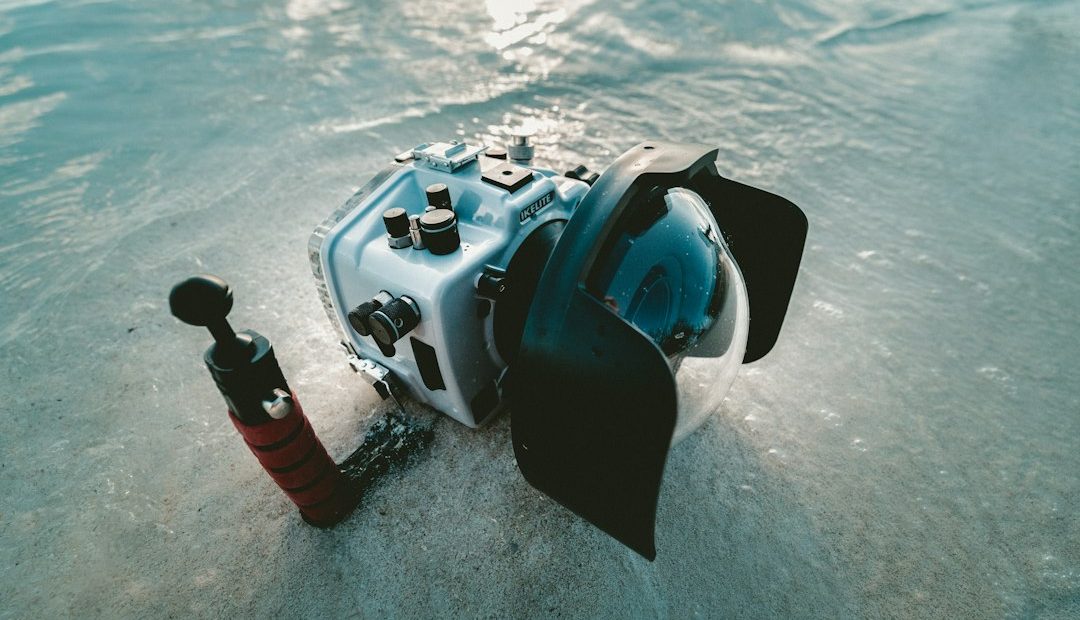
AquaTech is a respected name in underwater camera housings, particularly for professional and serious enthusiast use. Their Elite series housings are precision-engineered from durable polycarbonate with a clear backplate and external controls machined from anodized aluminum. These housings are built to withstand significant pressure and are designed with specific camera models in mind to ensure perfect lens alignment. While primarily for action cameras like GoPros, the principle of preserving optical quality and providing robust waterproofing and controlled buoyancy is paramount. They are not designed to float passively but are weighted and shaped for stable underwater handling and recovery.
While this guide focuses on phone cases, it’s crucial to acknowledge that for serious underwater videography and photography, dedicated housings for action cameras often provide superior results. The AquaTech Elite Waterproof Housing exemplifies this. It’s not a phone case, but the engineering principles are relevant: optimized optics, absolute waterproofing, and controlled handling underwater. These housings allow full manipulation of camera settings via external buttons, which are designed to be responsive even with gloves on. The optical glass used is of a very high standard, ensuring that the camera’s sensor captures the scene with minimal degradation. For photographers serious about capturing high-quality underwater footage who use an action camera, this type of specialized equipment is the benchmark, offering professional-grade results unattainable with most smartphone pouches.

Best for Snorkeling: CaliCase Universal Waterproof Pouch
⚖️ Weight: Approx. 35g (pouch only)
🔋 Waterproof Rating: IPX8
👍 Pros
- Secure dual-swivel lock and sealable closure.
- Clear front and back windows for photos and touchscreen.
- Floats reliably, ideal for surface-level water activities.
- Affordable and widely available.
- Comes with an adjustable lanyard.
👎 Cons
- Plastic window can cause glare or slight image softness.
- Limited drop protection.
- Seal integrity requires careful inspection before each use.
- Not ideal for deep or prolonged submersion.
The CaliCase Universal Waterproof Pouch is designed with simplicity and effectiveness for activities like snorkeling and beach use. Its dual-lock mechanism is a key feature, providing a more secure seal than some single-lock pouches. The transparent TPU (Thermoplastic Polyurethane) material used for the windows is chosen for a balance of clarity, flexibility, and waterproof integrity. It’s engineered to provide sufficient buoyancy to keep your phone afloat during casual water activities. User reports often highlight its ease of use and effectiveness for keeping water out during snorkeling trips, though consistent emphasis is placed on checking the seal before entering the water.
For casual snorkelers and beachgoers who want to document their underwater encounters without breaking the bank, the CaliCase Universal Waterproof Pouch is an excellent choice. Its primary selling point for this use case is its reliable flotation and secure sealing system. The dual-lock mechanism offers added confidence that water won’t seep in during surface-level exploration. The clear front window allows you to frame shots and operate your touchscreen, while the clear back window lets you capture photos and videos from the phone’s primary camera. While the image quality won’t rival that of a dedicated camera or a high-end rigid case, it’s more than adequate for social media sharing and personal memories. The included lanyard is a practical addition, allowing you to keep the pouch attached to your wrist or neck, further reducing the risk of loss.
Most Durable: Lifeproof FRE Series Case
⚖️ Weight: Approx. 60g (case only)
🔋 Drop Protection: MIL-STD 810G-516.6
👍 Pros
- Exceptional all-around protection (water, dust, snow, drop).
- Built-in screen cover maintains touchscreen sensitivity.
- Relatively slim profile for its level of protection.
- Good optical clarity through the camera port.
- Durable construction for rugged use.
👎 Cons
- May not inherently float; can sink without a float accessory.
- Waterproof rating is lower than some specialized cases (2m vs 100m).
- Can sometimes muffle speaker audio.
- Premium price.
Lifeproof’s FRE series is engineered for extreme durability and all-condition protection. These cases are rigorously tested to meet military standards for drops and submersion up to 2 meters for one hour. The design integrates a screen protector, ensuring full device coverage. While they offer excellent waterproofing and are suitable for splashes and shallow submersion, their primary design intent is not sustained underwater photography in deep water or for prolonged periods. Crucially, their buoyancy can be neutral or slightly negative, meaning they might sink if dropped. For underwater photography, adding an external flotation device is often recommended.
If your adventures involve not just water but also significant risks of drops, dust, and impacts, the Lifeproof FRE Series case offers unparalleled durability. It’s a case built for the most demanding environments, providing robust protection against water ingress up to 2 meters for an hour. The integrated screen cover ensures that your phone’s display is protected and responsive underwater. Photographically, the camera port is designed to maintain good clarity, allowing for decent underwater shots. However, it’s important to note that the FRE case is not inherently buoyant and may sink. Therefore, while it protects your phone from water damage during shallow dives or water sports, it’s not the ideal choice for dedicated underwater photography where floating is a primary safety and retrieval feature unless paired with a separate float strap.
Why a Floating Case is Essential for Underwater Photography
The allure of capturing the underwater world is undeniable, but the risks associated with taking your smartphone near or into water are significant. A floating waterproof phone case addresses these risks head-on, providing essential benefits that go beyond mere water resistance.
Preventing Loss: The Buoyancy Factor
This is the most critical function of a floating case. Inevitably, in or around water, there’s a chance you’ll drop your phone. Without a floating case, a dropped phone is likely lost to the abyss, especially in deeper waters or strong currents. A case with built-in buoyancy acts like a personal flotation device for your phone, keeping it visible and accessible at the surface, ready for retrieval. This feature alone provides immense peace of mind for anyone using their phone near water.

Maintaining Camera Stability Underwater
While not directly related to flotation, many floating cases are designed with a certain volume and shape that aids in stability. Pouches, for example, often trap air, which can help prevent the phone from sinking too rapidly or erratically. This stability is crucial for photography; a steady camera means sharper images and smoother videos. A case that floats helps keep the phone accessible and manageable, reducing the chances of fumbling and losing control during a critical shot.
Protecting Your Device from Water Damage
This is the foundational purpose of any waterproof case. Water, especially saltwater, can wreak havoc on a phone’s delicate electronics. A properly sealed waterproof case creates an impenetrable barrier against moisture. This protection is vital not just for surviving accidental submersion but also for preventing condensation that can form from rapid temperature changes, a common issue when moving between a hot beach and cool water.
Key Features to Look for in a Waterproof Phone Case for Photos
Selecting the right case involves looking beyond just the “waterproof” label. Several specific features are paramount for ensuring both device safety and photographic quality.
Optical Clarity: Ensuring Clear Underwater Shots
The material and design of the lens cover are paramount. Look for cases with a clear, distortion-free window directly over your phone’s camera lens. High-quality polycarbonate or specialized optical glass is preferred. Avoid materials that cause glare, haziness, or chromatic aberration, as these will degrade the quality of your underwater photos. A flat, smooth surface is also essential to prevent visual artifacts.
Touchscreen Compatibility Underwater
Most modern smartphones rely heavily on their touchscreens. A good waterproof case must allow for responsive touchscreen operation underwater. This is often achieved through thin, flexible transparent materials. Be aware that extreme depths or the presence of water between your finger and the screen can sometimes reduce sensitivity, but a well-designed case will minimize this issue. Some cases incorporate physical buttons that might offer more reliable control in certain situations.

Lanyard and Secure Closure System
A secure closure is non-negotiable for waterproofing. Look for robust mechanisms like triple seals, multiple locking clips, or robust zippers. Equally important is a reliable lanyard or strap. This should be comfortable, adjustable, and securely attached to the case, providing a vital safety net against accidental drops and loss.
Material Durability and Waterproofing Rating (IPX8)
The case should be constructed from durable materials that can withstand UV exposure, salt, and physical wear. The standard for robust waterproofing is IPX8, which signifies that the device is protected against continuous immersion in water under conditions specified by the manufacturer (typically deeper than 1 meter). Always check the specific depth and time rating provided by the manufacturer for the case you are considering.
How We Tested and Ranked These Floating Phone Cases
Our evaluation process prioritizes features critical for underwater photography and device safety. We assessed cases based on a rigorous set of criteria, simulating real-world usage scenarios.
Image Quality Assessment Underwater
We examined the clarity of the lens covers, looking for any distortion, glare, or reduced sharpness compared to un-cased photos. Cases were judged on their ability to maintain the phone camera’s native image quality, color accuracy, and light transmission.
Buoyancy and Float Test
Each case, with a typical smartphone model inside, was placed in calm water to assess its flotation capabilities. We noted whether the case floated upright, stayed visible, and maintained its buoyancy over time. Cases that sank without external floatation aids were ranked lower for this specific application.
Ease of Use and Underwater Operation
We evaluated how easy it was to insert and seal the phone, attach the lanyard, and operate the touchscreen and any external buttons underwater. Responsiveness and intuitiveness were key factors.
Durability and Long-Term Waterproofing
Beyond initial tests, we considered the material quality, the robustness of the sealing mechanism, and the overall construction for longevity. We referenced manufacturer specifications and common user reports regarding the durability of seals and materials over extended use and exposure.
Common Pitfalls to Avoid When Buying Waterproof Phone Cases
Navigating the market for waterproof cases can be fraught with potential issues. Understanding these common pitfalls can save you money and prevent disappointment.
Cases That Cloud Photos
The most common issue is a lens cover that degrades image quality. Cheap plastic can scratch easily, become hazy, or introduce noticeable color casts. Always look for cases with high-optical-quality transparent materials specifically designed for camera use.
Seals That Fail Under Pressure
Many affordable pouches rely on simple zip-lock or fold-over seals. While adequate for splashes, these can fail under pressure during submersion, leading to leaks. Inspecting and correctly using multi-stage seals is crucial.
Touchscreen Issues Underwater
Water itself can interfere with capacitive touchscreens. Some cases may not provide sufficient sensitivity, or the material might be too thick. Testing responsiveness in shallow water before relying on it for critical shots is advisable.
Frequently Asked Questions About Floating Waterproof Phone Cases
Can Any Waterproof Case Take Clear Underwater Photos?
Not all waterproof cases are designed with photography in mind. While many offer protection, the clarity of the lens cover and the quality of the material are crucial for clear underwater shots. Dedicated waterproof cases or high-quality pouches with optically clear windows perform best.
How Do Floating Cases Work?
Floating cases work by incorporating materials or designs that displace more water than their own weight, creating positive buoyancy. This is often achieved by trapping air within the case design or using buoyant materials in its construction. Pouches typically rely on the air trapped inside when sealing the phone.
Are Universal Pouches Reliable for Underwater Use?
Universal pouches can be reliable if they feature a robust, multi-stage sealing mechanism (like triple-lock seals) and are used according to the manufacturer’s instructions. However, their reliability can vary greatly, and they may not offer the same level of protection or optical quality as rigid, model-specific cases, especially for deeper dives or prolonged submersion.